

10 Plant Based Pizza Toppings for a Perfect Pie
You're standing in the kitchen with a dough ball on the counter, sauce ready, and a pile of vegetables that looked promising at the store but now feels a little random. That's the moment most homemade plant-based pizzas go sideways, not because the idea is weak, but because the toppings weren't chosen for how they cook, how they taste, and how they behave together. The good news is that plant based pizza toppings can be every bit as satisfying as any classic pie when you build them with intention.
Mainstream demand backs that up. Plant-based foods now appear in 48% of U.S. restaurants, up from about 30% in 2012, and pizza operators are seeing that shift in real menu planning, not just in niche vegan spots (Pizza Today). The broader pizza toppings category is also still expanding, with the global market estimated at USD 20.19 billion in 2024 and projected to reach USD 32.14 billion by 2033 (Market Data Forecast). That growth is useful at home, too, because it means the best topping combinations now have a clear restaurant playbook behind them.
Table of Contents
- 1. Caramelized Onions
- 2. Roasted Garlic Cloves
- 3. Marinated Artichoke Hearts
- 4. Fresh Arugula & Microgreens
- 5. Sun-Dried Tomatoes
- 6. Caramelized Mushrooms
- 7. Fresh Basil & Herb Combinations
- 8. Roasted Red Peppers
- 9. Cashew Cream or Plant-Based Cheese
- 10. Charred Broccolini or Rapini
- Top 10 Plant-Based Pizza Toppings Comparison
- Your Ultimate Plant-Powered Pizza Night
1. Caramelized Onions
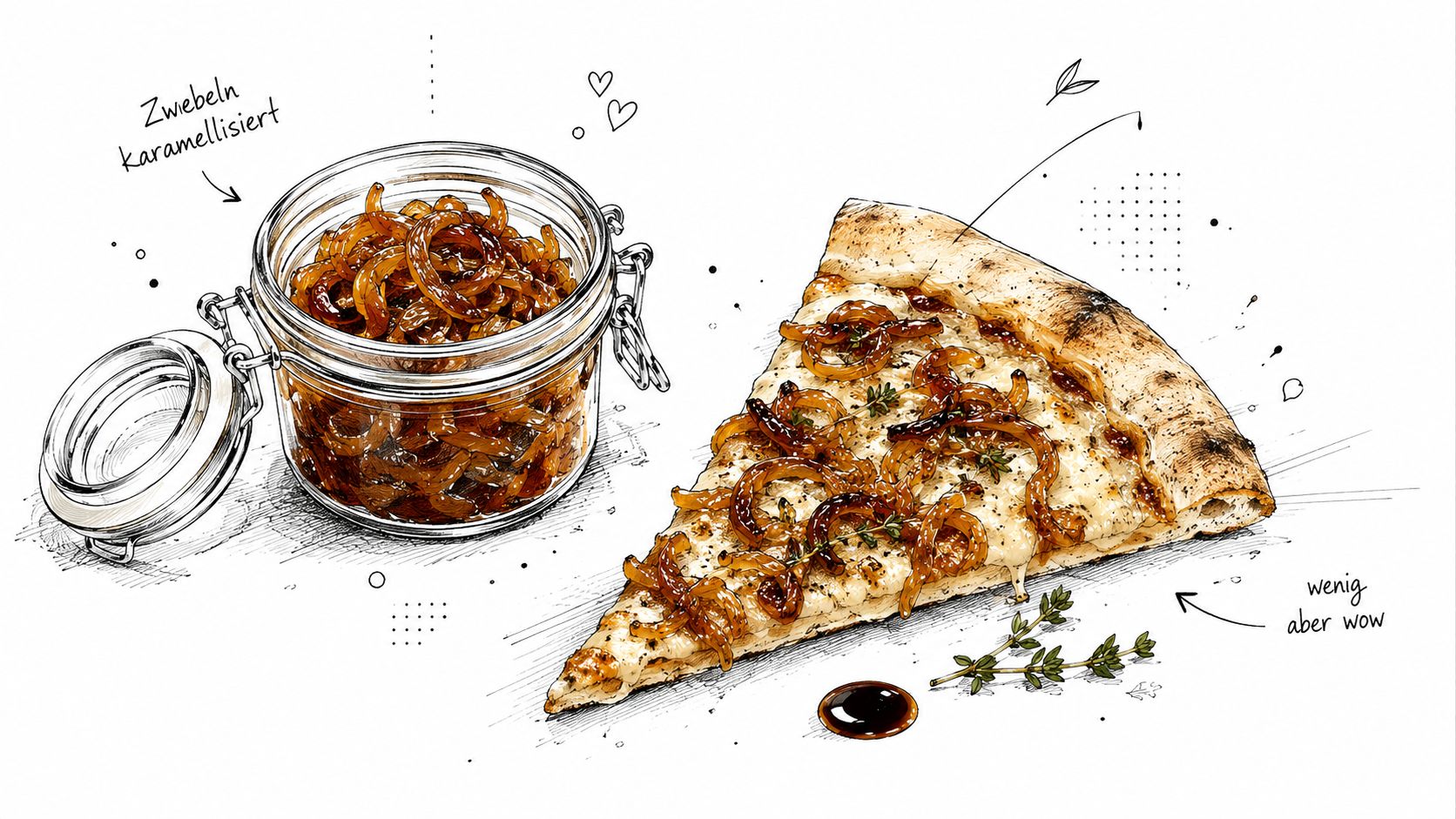
Caramelized onions earn their place because they solve a common plant-pizza problem, they bring sweetness, depth, and body without adding water. Cook them slowly until they collapse into a jammy, savory layer, then use them sparingly so they don't overwhelm the crust. On a thin pizza, that kind of concentrated flavor feels polished rather than heavy.
A good home setup is simple. Cook a batch one or two days ahead, cool it fully, and keep it in the fridge so the onions are easier to portion. If the finished flavor leans too sweet, a few drops of balsamic vinegar or lemon juice bring the edge back into balance.
How to bake them well
Spread caramelized onions in a thin layer instead of mounding them in the center. That keeps steam from pooling under the topping and helps the crust bake cleanly on a hot surface like a Hans Grill Pizza Stone. If you're using a high-heat bake, treat onions like an accent, not the main event.
Practical rule: The wetter the topping, the thinner the layer should be.
Caramelized onions work especially well on white pizzas, mushroom pies, and anything with plant-based cheese. They also pair nicely with roasted garlic, which gives you a sweet-and-savory base that feels more restaurant than “veggie pizza.” When the crust is crisp and the onion layer is restrained, the whole pie tastes deliberate.
2. Roasted Garlic Cloves
Roasted garlic is one of the easiest upgrades you can make, and it changes the whole mood of the pizza. Raw garlic can bully a pie, but roasted cloves turn soft, sweet, and spreadable, which means they disappear into the sauce or sit on top without shouting. That's exactly what you want when the crust is the star.
Wrap whole heads in foil and roast them until the cloves go pale gold and collapse easily. Once they cool, squeeze the cloves onto the dough, into a white sauce, or over a light tomato base before the cheese or plant-based cheese goes on. The result is subtle, but it makes everything else taste more complete.
Where roasted garlic fits best
Roasted garlic is strongest on pizzas with few toppings. A Neapolitan-style pie with tomato, basil, and a little plant-based cheese needs just enough garlic to anchor the flavor without making the slice feel crowded. Farm-to-table menus often lean on this same logic, because a single good ingredient can carry the whole pie.
- Use it as a base layer: Press soft cloves directly into the sauce so the flavor spreads evenly.
- Keep the timing tight: Pull the pizza from the oven while the garlic still looks glossy, not dark.
- Think fresh, not loud: Roasted garlic should support the topping mix, not replace it.
The best part is how forgiving it is. Roasted garlic handles short, hot bakes well, and it pairs neatly with onions, mushrooms, or peppers. If you want a pizza that tastes like it came from a wood-fired kitchen, garlic is one of the fastest ways to get there.
3. Marinated Artichoke Hearts
Marinated artichoke hearts give plant-based pizza a bright, Mediterranean edge, and they do it without requiring much prep. The oil and vinegar marinade already carry flavor, so the primary job is controlling moisture. Pat them dry before they hit the dough, or they'll steam instead of roast.
Use them on a simple tomato base or a light white sauce where their tang can stand out. They're especially strong on pizzas that already have something creamy or earthy underneath, because artichokes cut through richness instead of competing with it. That makes them a good partner for cashew cream, roasted garlic, or mushrooms.
Best technique for texture
Add artichokes late in the bake, ideally during the final few minutes, so they stay tender but not soggy. If they're placed too early, the outer leaves can soften too much and the flavor gets muted. On a hot pizza stone, late placement preserves a little bite, which is what makes each slice feel more finished.
The quickest way to ruin artichokes on pizza is to treat them like a raw vegetable.
For a home cook, the convenience matters too. Jarred artichokes let you keep a strong topping on hand without extra chopping or blanching. A few well-spaced pieces can make a pizza feel Mediterranean and restaurant-ready, especially when paired with olives or basil. If you're making a white pie, artichokes often do more for the overall balance than extra cheese does.
4. Fresh Arugula & Microgreens
Fresh greens belong on the finished pizza, not buried under the heat. Arugula and microgreens bring peppery snap, bright color, and a clean finish that cuts through rich toppings. They're one of the simplest ways to make a home pie look and taste more intentional.
The move is straightforward. Pull the pizza off the stone, wait a moment for the surface heat to settle, then scatter the greens over the top. If you toss arugula with a little olive oil and lemon juice first, it softens the bite and helps the leaves cling to the hot cheese or sauce.
Why greens belong at the end
Cooking delicate greens in the oven strips away everything that makes them useful. They wilt, darken, and lose the fresh contrast that gives the bite its lift. That's why modern Italian spots often finish pizzas with salad greens rather than bake them in.
- Use arugula for pepper: It wakes up creamy or smoky toppings.
- Use microgreens for visual contrast: They add a neat, clean finish.
- Buy close to serving day: Freshness matters more here than storage life.
This topping works best when the rest of the pie is fairly restrained. A pizza with roasted garlic, artichokes, and plant-based cheese gets a cleaner finish when a handful of greens lands on top at the end. You don't need much, either, just enough to create contrast between the warm base and the cool bite.
5. Sun-Dried Tomatoes
Sun-dried tomatoes give you intensity without flooding the pizza with extra moisture. That's the key advantage. Fresh tomatoes can soften a crust fast, but sun-dried pieces deliver concentrated sweetness, acidity, and chew in a way that stays pizza-friendly.
Chop them into even pieces so they don't cluster in one corner of the pie. A little goes a long way, especially if the pizza already has onions, olives, or a bold plant-based cheese. Use them as a high-impact accent rather than a bulk topping.
Balance the flavor load
Because sun-dried tomatoes are so concentrated, they work best with something fresh or herbal added after baking. Basil is the cleanest match, since it brings brightness and a fresher aroma to the finished slice. That balance matters on a hot stone bake, where toppings can taste heavy if every layer leans toward richness.
If you're building a red pie with tomato sauce, use sun-dried tomatoes to deepen the flavor rather than double it. On a white pie, they act more like punctuation, adding a chewy, savory pop against the creamier base. In either case, pat off excess oil first so the surface stays crisp.
When people ask for a plant-based pizza that still feels bold, sun-dried tomatoes are usually part of the answer. They don't imitate meat. They just bring enough character to make the pie taste complete.
6. Caramelized Mushrooms
Caramelized mushrooms are one of the best plant-based pizza toppings because they behave like a proper savory centerpiece. Cook them slowly until their moisture evaporates and the edges turn richly browned. That creates the meaty texture people want without relying on imitation ingredients.
Use a cast iron pan over medium-low heat, and don't rush them. Mushrooms need time to release liquid, then time again to take on color. A little thyme near the end of cooking adds another layer without making the topping feel fussy.
Moisture is the whole game
If you skip the browning step, mushrooms can turn slippery and flat on pizza. Cooked properly, they bring umami, chew, and enough structure to stand beside onions or roasted peppers. They're especially effective on thin crust pies where every ingredient has to earn its spot.
Practical rule: Pre-cook mushrooms first, then treat them like a finished ingredient, not a raw garnish.
Caramelized mushrooms also improve after a short rest in the fridge, which makes them ideal for prep-ahead pizza nights. That is useful when you want a fast bake on a hot surface like a Hans Grill Pizza Stone. Once they're cooked down, the topping becomes easy to distribute in a thin layer so the crust can stay crisp.
For people trying to convert meat-eaters, mushrooms are often the most convincing starting point. They bring enough depth to make the pizza feel substantial, especially when paired with roasted garlic or plant-based cheese.
7. Fresh Basil & Herb Combinations
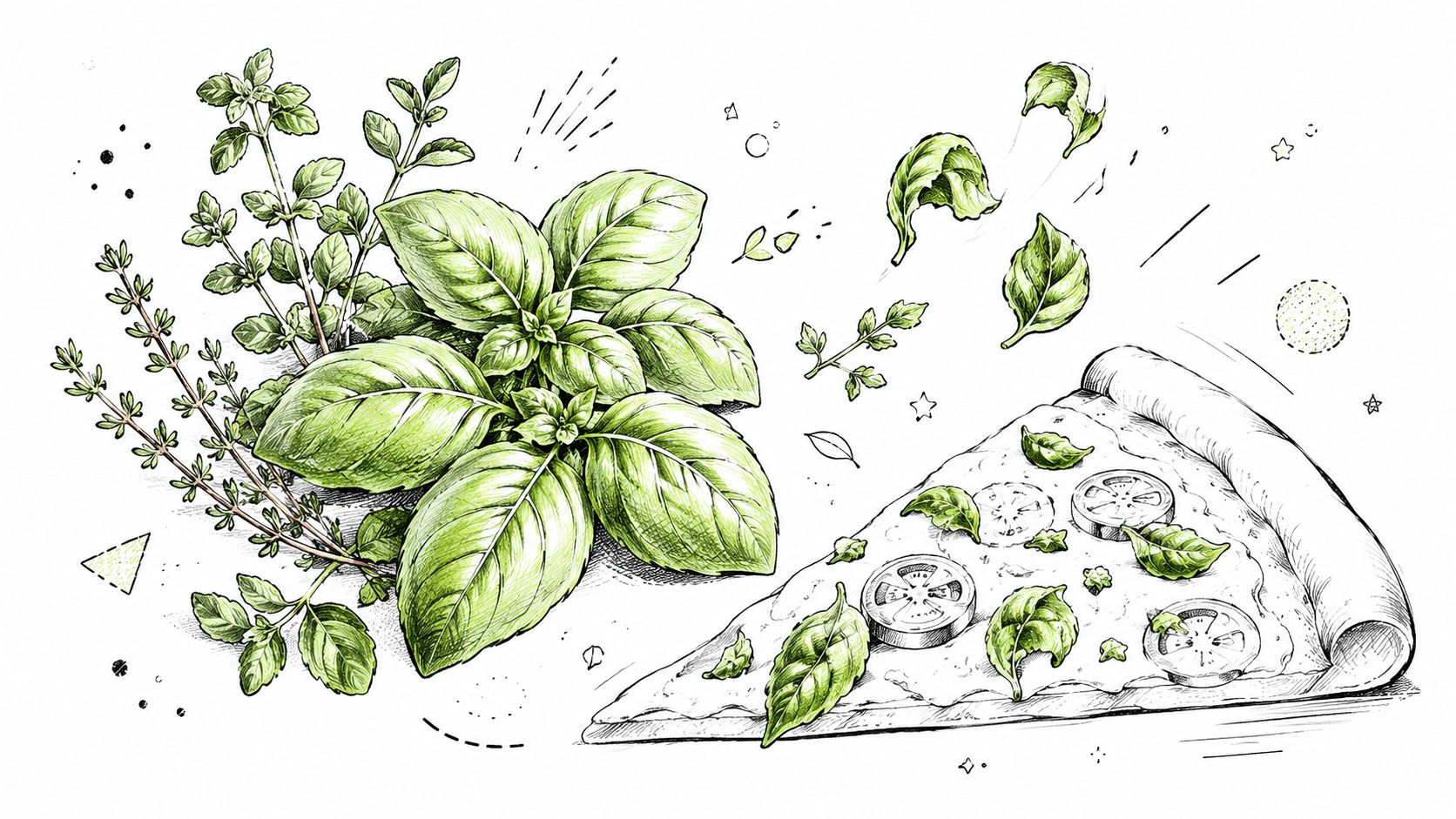
Herbs don't need to be an afterthought. Used well, they become the bridge between sauce, cheese, and vegetables, especially on plant-based pizzas that rely on clean, layered flavor rather than a heavy dairy finish. Basil is the classic choice, but thyme, rosemary, and oregano each pull a different direction.
Use woody herbs before baking and tender herbs after. Rosemary and thyme can handle the oven, while basil is better torn by hand and scattered on the pizza right after it comes off the stone. That timing keeps the aroma bright instead of dull.
A simple tomato pie can go from basic to polished with the right herb sequence. Fresh basil added at the end lifts the sweetness of the sauce, while a little dried oregano in the base gives the whole pizza more backbone. If you use both, the pie tastes layered instead of one-note.
The matching matters. Basil suits sun-dried tomatoes and roasted peppers. Thyme goes naturally with mushrooms. Rosemary needs restraint, but it can be excellent with potatoes, onions, or white sauce if you want a more rustic profile.
You can also build the sauce around herbs from the start. Hans Grill's easy pizza sauce pairs naturally with plant-based toppings because it gives you a straightforward foundation before the toppings go on. Once the pizza is baked, a final scatter of basil does more for freshness than extra sauce ever could.
8. Roasted Red Peppers
Roasted red peppers are useful because they deliver sweetness and char at the same time. Raw peppers can taste watery and sharp, but roasting concentrates the flavor and gives you a softer, more elegant texture. That makes them a strong fit for both tomato-based and white pizzas.
You can roast them until the skin blisters, then peel and tear them into strips. The goal isn't perfect uniformity. It's even distribution, so every bite gets a little pepper, a little sweetness, and maybe a hint of smoke. On a hot bake, that balance helps the topping stay vivid instead of melting into the sauce.
Keep the flavor broad, not heavy
Roasted peppers work in a lot of combinations, which is why they're such a dependable plant-based topping. They pair with olives, onions, artichokes, basil, and cashew cream without making the pizza feel overloaded. If you're cooking for a mixed crowd, peppers are one of the easiest ways to make the pie feel familiar but still deliberate.
A roasted pepper pizza also handles a short, high-heat bake well. Because the peppers are already cooked, the oven is only there to warm them and let the edges pick up a little more char. That means less risk of a soggy middle and more chance of a crisp bottom.
For the home cook, the biggest mistake is piling on too much. A few strips go further than a thick layer, especially on a thinner crust. Let the crust and sauce do their job, and let the peppers bring the sweetness.
9. Cashew Cream or Plant-Based Cheese
Cashew cream and plant-based cheese give you the creamy bridge that many plant-based pizzas still need. The trick is not to use them like a blanket. Use them as a base layer, then let the vegetables, herbs, and savory toppings sit on top where the heat can do its work.
A thin spread of cashew cream gives the pizza a rich mouthfeel without drowning the crust. If you're using a commercial plant-based cheese, test a few brands for meltability and browning, because the best choice depends on the bake and the style of pie. What works on a sheet-pan style pizza may not behave the same way on a stone.
Keep the layer thin
Heavy dairy-free cheese can turn clumpy or greasy if it's overloaded. A thin, even layer gives you enough creaminess while preserving the crisp edge and the flavor of the toppings above it. That's especially useful with mushrooms, peppers, or artichokes, which already bring their own moisture and texture.
If you want a more structured crust underneath, Hans Grill's guide to crispy pizza crust is worth following before you start stacking toppings. A crisp base gives the creaminess somewhere to land instead of letting it soak into the dough. That's the difference between a rich pizza and a heavy one.
The best plant-based pies use creaminess as one layer in the mix, not the whole identity of the pizza. Cashew cream is useful because it lets the other toppings taste more distinct. It supports the pie instead of flattening it.
10. Charred Broccolini or Rapini
Broccolini and rapini bring a sharper, greener note that keeps richer pizzas from feeling too soft. Their slight bitterness is part of the appeal, especially when the stems stay tender and the edges pick up a little char. That contrast makes a big difference on a plant-based pizza built around cream, onion, or mushroom.
Toss the greens with olive oil and salt, then roast them until the tips darken. They should look cooked through but still have structure, because you want the stems to hold up after baking. On the pizza, spread them in a thin layer so moisture doesn't collect in one spot.
A strong fit for high-heat baking
If you're using a grill or a very hot stone, broccolini can be added close to the end so it keeps its bite. Hans Grill's pizza on gas grill guide is a good reference if you want that char-forward finish at home. The same logic applies in the oven, the topping should be cooked enough to taste intentional, but not so long that it turns limp.
Broccolini works best when the rest of the pizza has some richness to offset it. Cashew cream, roasted garlic, or plant-based cheese all help soften the bitterness without hiding it. Rapini is even more assertive, so use a lighter hand if you want balance instead of bite.
This is the kind of topping that makes a pie feel more grown-up. It doesn't try to imitate anything. It just adds a little edge, and that edge makes the whole pizza taste more complete.
Top 10 Plant-Based Pizza Toppings Comparison
| Item | 🔄 Implementation Complexity | ⚡ Resource / Speed | ⭐ Expected Quality / Flavor Impact | 📊 Ideal Use Cases | 💡 Key Advantages / Tips |
|---|---|---|---|---|---|
| Caramelized Onions | High, low-heat, 30–40 min, hands-on | 30–40 min; inexpensive; make-ahead 1–2 days | ⭐⭐⭐⭐, sweet, umami-rich depth | Thin-crust upscale, savory-sweet pizzas | Prep ahead; balance with balsamic/lemon; spread thin to avoid sogginess |
| Roasted Garlic Cloves | Low, roast whole heads, minimal hands-on | 30–40 min oven; only garlic + oil | ⭐⭐⭐⭐, mild, buttery garlic warmth | Neapolitan or signature-garlic pizzas, simple sauces | Squeeze onto dough or add near end; use within 2 days |
| Marinated Artichoke Hearts | Very low, ready-to-use (jarred/canned) | No cook; long shelf life; pat dry before use | ⭐⭐⭐, tangy, briny, tender-firm | Mediterranean-style pizzas, quick prep pizza bars | Pat dry to reduce moisture; add final 3–4 min; watch sodium |
| Fresh Arugula & Microgreens | Very low, post-bake addition | Instant; purchase fresh close to use | ⭐⭐⭐, peppery, fresh contrast | Thin-crust finish, health-focused and presentation-forward pies | Add immediately after bake; toss with oil/lemon; never bake greens |
| Sun-Dried Tomatoes | Low, jarred, chop and apply | No cook; shelf-stable; oil-preserved | ⭐⭐⭐⭐, concentrated tomato umami | Mediterranean or robust-flavored pizzas, sparing use | Chop uniformly; pat dry to remove excess oil; pair with basil |
| Caramelized Mushrooms | Medium, 20–30 min active sauté, stirring | 25–30 min; inexpensive; improves if prepped ahead | ⭐⭐⭐⭐, meaty, concentrated umami | Meat-replacement or earthy, savory pizzas | Reduce moisture in pan; cook in cast iron; prepare 1–2 days ahead |
| Fresh Basil & Herb Combinations | Low, timing varies by herb (pre/post-bake) | Instant prep; buy fresh | ⭐⭐⭐–⭐⭐⭐⭐, aromatic lift, brightens flavors | Margherita, classic Neapolitan, herbal finishes | Add tender herbs after bake; tear basil by hand; use woody herbs pre-bake |
| Roasted Red Peppers | Medium, 20–25 min roast + peel (or jarred) | 20–25 min fresh; jarred for convenience | ⭐⭐⭐⭐, sweet, smoky, visually striking | Mediterranean, smoky or colorful pizzas | Roast on stone for char; cool before peeling; tear into strips |
| Cashew Cream / Plant-Based Cheese | Medium–High, homemade needs 4 hr soak; commercial varies | Homemade long soak; commercial ready but inconsistent melt | ⭐⭐⭐⭐, creamy base; texture varies by product | Vegan/ lactose-free pizzas, creamy-sauce bases | Spread thin (⅛"), make cashew cream ahead; test commercial brands |
| Charred Broccolini / Rapini | Low–Medium, quick roast 8–10 min | 8–10 min roast; quick prep | ⭐⭐⭐, bitter-savory, textural contrast | Vegetable-forward or health-focused pizzas | Cut uniform pieces; add 4–5 min before finish; season lightly |
Your Ultimate Plant-Powered Pizza Night
Building an unforgettable plant-based pizza is really about control. You control moisture, you control layering, and you control when each topping enters the heat. That's why the best pies usually combine one rich element, one savory element, one fresh finish, and a crust that can hold the whole thing together.
The strongest combinations use contrast. Caramelized onions and mushrooms give you depth, roasted peppers and sun-dried tomatoes bring sweetness and acidity, and arugula or basil sharpens the finish at the end. If you want a creamier pie, cashew cream or plant-based cheese belongs under the vegetables, not buried over everything. That order keeps the toppings distinct and the crust crisp.
The restaurant shift behind plant-based foods is real, and it's changing what home pizza cooks expect from a pie. Plant-based foods now show up in 48% of U.S. restaurants (Pizza Today), and the vegan frozen pizza market is projected to keep expanding over the next decade (Future Market Insights). At home, that means there's no reason plant-based toppings should feel second-tier. They can be the main event when you treat them like a system, not a random pile of vegetables.
A proper baking surface makes that system work. A Hans Grill Pizza Stone or Steel gives you the kind of steady heat that helps plant-based toppings cook cleanly and keeps the base from going soft. If you're serious about better pizza nights, build the pie with intention, then give it the surface it deserves.
A CTA for Hans Grill.


